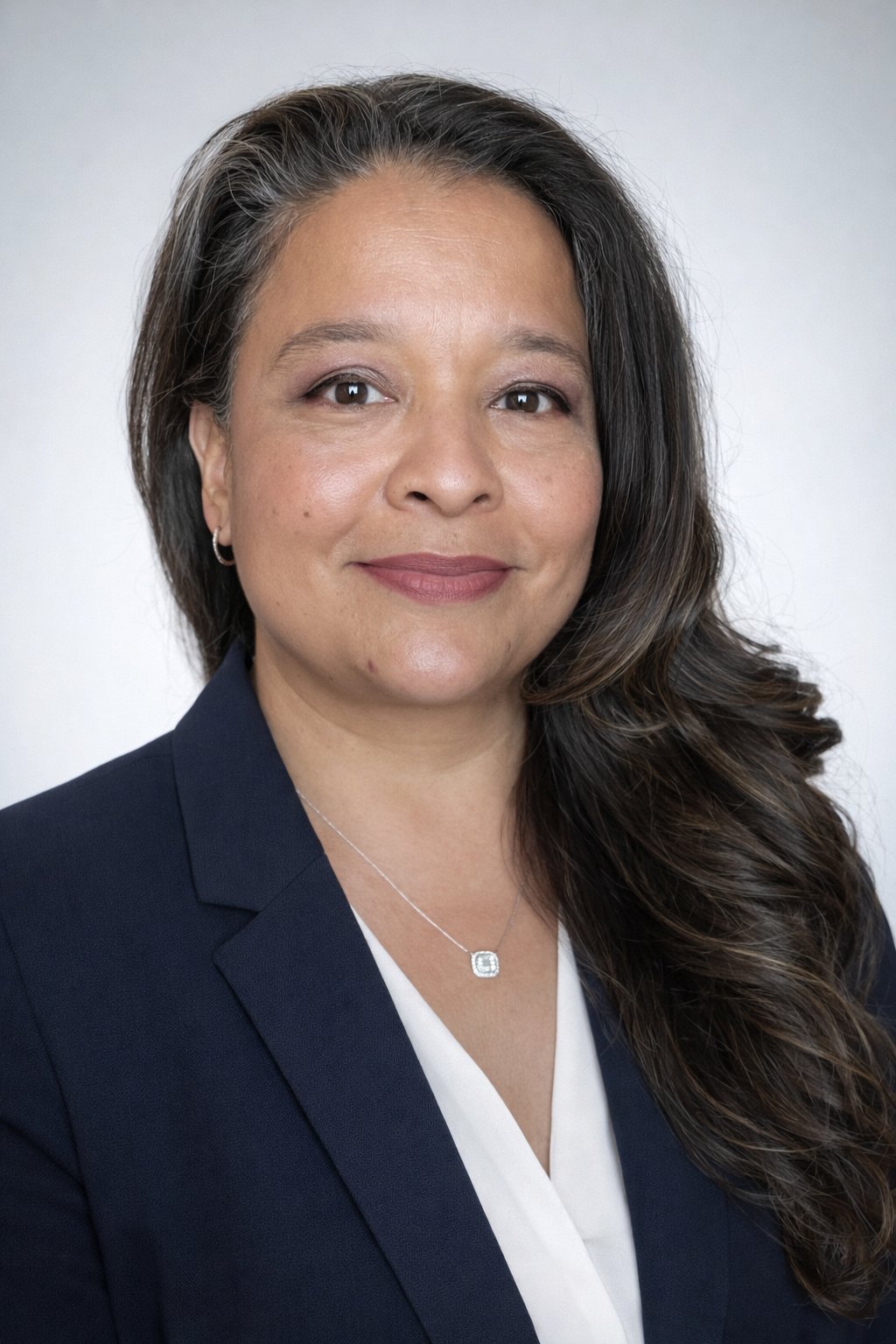
VP, Referral Services & Customer Operations
Carrefour Associates LLC
Twenty years building the systems, teams, and frameworks that allow healthcare organizations to scale with the patient at the center of every decision.
I started my career as a 911 operator — which gave me an early and intimate understanding of what happens when a person in crisis reaches a call taker who is no longer carrying the weight of the moment. That understanding has shaped every contact center, referral team, and operations framework I've built since.
In February 2005 I joined Delaware Hospice as their first non-clinical intake representative — the first point of contact for families navigating one of the most difficult decisions of their lives. I coordinated every aspect of admission to hospice: schedule management, barrier to admission resolution, training, SOP maintenance, staff orientation, documentation, productivity reporting, and coordination of information for the full supportive team assigned to each family. I progressed from Coordinator to Referral Center Supervisor during my tenure.
Under that model, Delaware Hospice grew from 135 to 800 patients — centralizing the DELMARVA region and expanding to two GIP facilities. That growth wasn't incidental. It was the direct result of building a referral infrastructure that referral sources could depend on, consistently, every time they called.
That experience became the proof of concept for everything I've built since. At Crossroads Hospice I saw what it looks like when a rapidly scaling organization keeps patient focus at the helm of every decision. At Carrefour Associates I built the contact center, the retention programs, the operating frameworks, and the technology infrastructure from the ground up — and sustained them across fifteen years of national growth.
I build systems that carry the mission. I build teams that carry the patient. And I build the frameworks that make both sustainable when the pressure is highest.
I am a USAF Reserve Veteran (2003–2014) and a PMP candidate with the Project Management Institute.
I work with healthcare operators, hospice and home health organizations, and multi-location patient care companies who need the systems, frameworks, and team structures to scale without losing what makes them effective.
These posts are drawn directly from experience — building contact centers, managing referral teams, navigating insurance barriers, and training the people who hold families at their most vulnerable moments. Published on LinkedIn, 2x per week.
Every tool below was designed and deployed solo in a live healthcare operations environment — while managing a VP-level role. Self-taught, applied to real business problems, and built to last.
Straight answers about what CarePath Strategies does, who it's for, and the experience behind the work.
CarePath Strategies is the healthcare operations consultancy of Della Miller. It helps hospice, palliative, and home health organizations design and build the contact centers, referral systems, retention programs, and operations frameworks they need to grow — without losing the patient focus that makes them effective.
The work spans operating models, staffing and training structures, documented SOPs, and the analytics and automation that hold it all together.
No. CarePath Strategies works on the non-clinical infrastructure that surrounds clinical care — intake, referral response, contact center operations, team development, and documentation systems. The value is operational and structural: building the systems that let clinical teams do their best work.
It takes a referral model built for consistency. The thing referral sources value most isn't clinical reassurance — it's the same dependable response every time they call.
Scaling a referral center means building that consistency into structure: response methodology, role clarity, documentation, and accountability, so responsiveness holds as volume and service lines change. This is the model that grew Delaware Hospice from 135 to 800 patients.
Revocations usually trace back to a gap between what families expected and what they experienced. A structured patient retention program identifies at-risk patients before escalation through proactive engagement, empowered teams, and data — an approach that reduced annual service revocations by 30% (45% within the first three months).
It starts with the recognition that a referral team is not a cost center — it's a clinical touchpoint. A strong model pairs a clear operating and staffing structure with a consistent response methodology, a documentation framework for intake, and training discipline that keeps quality steady under pressure. The goal is a center referral sources can depend on every time.
Retention is less about feeling like a "work family" and more about teamwork built on role clarity, clear expectations, and consistent accountability. With structured development and a real feedback culture, this approach sustained under 2% annual turnover across more than a decade — by building future leaders rather than managing churn.
Hospice and home health providers, palliative care programs, and multi-location patient care organizations — typically those scaling referral and contact center operations, or formalizing institutional knowledge into transferable systems. Engagements are remote and serve national markets.
If you're a healthcare operator, hospice or home health leader, or multi-location patient care organization looking to build the systems and teams that carry your mission — I'd like to hear about what you're working on.